

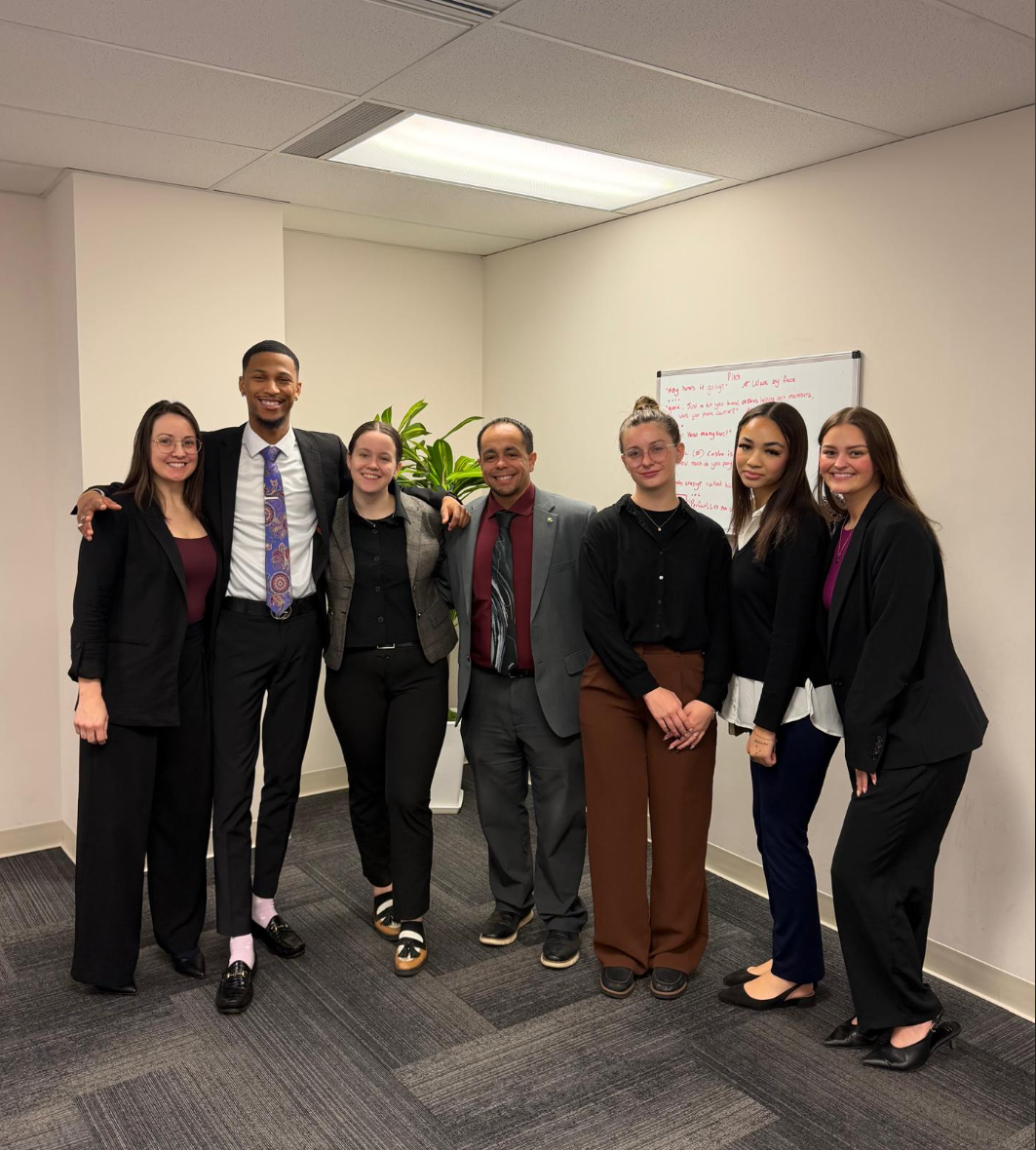
“Your degree gets you in the door, but your mindset determines how far you go.”
Many graduates enter the workforce believing that knowledge alone will carry them forward, only to discover that adaptability and perspective play an even greater role. The transition from student to professional challenges assumptions, tests resilience, and demands a willingness to grow beyond comfort zones. Those who adjust their mindset early tend to find more direction, confidence, and momentum in their careers.
These mindset shifts can help new grads not only adjust but truly thrive after graduation.
1. From Waiting for Opportunities to Creating Them
One of the biggest changes after graduation is realizing that opportunities are not always handed to you. In school, paths are structured, but in the professional world, initiative matters more.
Adopting a proactive mindset means seeking out chances to grow, whether through networking, volunteering, or taking on new challenges. This could mean reaching out to professionals in your field, applying for roles even if you don’t meet every requirement, or offering help on projects that stretch your abilities. Instead of waiting, you begin to act, and that shift can open doors you didn’t even know existed.
Being intentional with your actions allows you to build momentum early in your career. The more you put yourself out there, the more likely you are to encounter opportunities that align with your goals.
2. From Fear of Failure to Learning from It
Many new grads fear making mistakes, especially in unfamiliar environments where expectations feel higher. However, failure is not the opposite of success because it is part of the process.
When you start viewing setbacks as learning experiences, you remove the pressure of perfection. Whether it’s a rejected application, a missed deadline, or a challenging task that didn’t go as planned, each experience offers insight. Every mistake becomes a lesson, guiding you toward better decisions in the future.
Growth happens when you allow yourself to try, fail, and improve. Instead of avoiding risks, you begin to embrace them, knowing that each step, successful or not, contributes to your development.
3. From Immediate Results to Long-Term Growth
In school, results often come quickly, like grades, feedback, and achievements are immediate. The professional world operates differently, where progress can feel slower and less visible.
Success takes time, and the early stages of your career are often focused on building skills rather than receiving recognition. This is especially true when starting out in entry-level jobs, where your primary role is to learn, adapt, and gain experience. Patience becomes a valuable asset, helping you stay committed even when results are not immediate.
Trusting the process allows you to stay grounded. Each small improvement, each new responsibility, and each lesson learned contributes to your long-term success, even if it doesn’t feel significant in the moment.
4. From Knowing Everything to Staying Curious
Graduation can create the illusion that you already know enough to succeed. In reality, it is just the beginning of continuous learning.
A curious mindset encourages you to ask questions, seek feedback, and explore new ideas. Whether you’re learning new systems, understanding workplace dynamics, or developing technical skills, curiosity keeps you engaged. Staying open to learning keeps you adaptable, especially in fast-changing environments.
Curiosity fuels growth, making it easier to adjust to new roles and responsibilities. The more you learn, the more confident you become in handling unfamiliar situations.
READ MORE: Importance of Continuous Learning in Professional Development.
5. From Comparing Yourself to Others to Focusing on Your Path
It is easy to compare your progress with classmates or peers, especially when everyone seems to be moving at different speeds. Social media can make this even more challenging, as it often highlights only the successes of others.
Shifting your focus inward allows you to concentrate on your own goals and achievements. Your journey is unique, and progress should be measured by your own standards. What works for someone else may not work for you, and that’s perfectly fine.
Confidence grows when you focus on personal improvement rather than external comparisons. By celebrating your own milestones, no matter how small, you build a stronger sense of self-worth and direction.
6. From Comfort to Embracing Challenges
After years of structured learning, stepping into the unknown can feel uncomfortable. The routines you were used to are replaced by new expectations, unfamiliar tasks, and situations that test your limits.
Embracing challenges means choosing growth over comfort. It involves taking on responsibilities that may initially feel overwhelming, such as leading a task, presenting ideas, or learning a completely new skill. Instead of avoiding these situations, you lean into them with the understanding that discomfort is temporary.
Challenges help you build resilience and confidence because they force you to think differently, adapt quickly, and develop problem-solving skills. Each challenge you face strengthens your ability to handle future obstacles with greater ease.
7. From Short-Term Thinking to Building a Career Vision
Many graduates initially focus on finding a job as quickly as possible, which is a natural response to the pressure of starting a career. However, focusing only on immediate outcomes can limit your long-term potential.
Developing a career vision helps you see beyond your current situation. It allows you to think about where you want to be in the future and what steps are needed to get there. This becomes especially relevant when exploring new grads jobs, where opportunities can vary in terms of growth, exposure, and skill development.
A clear vision gives direction, helping you make decisions that align with your long-term goals rather than short-term convenience. For example, you may choose a role that offers more learning opportunities instead of one that simply provides immediate comfort.
8. From Seeking Approval to Building Self-Confidence
In academic settings, validation often comes from grades, recognition, or feedback from instructors. In the professional world, relying solely on external approval can hold you back.
Building self-confidence means trusting your abilities and decisions, even when feedback is not immediate. It involves recognizing your strengths, acknowledging your progress, and taking ownership of your work. Confidence does not mean knowing everything because it means being willing to learn and grow.
Confidence grows through action and experience, not constant reassurance. Each time you take initiative, speak up, or contribute ideas, you reinforce your belief in your capabilities.
Believing in your potential allows you to take initiative and lead when opportunities arise. As your confidence builds, you become more comfortable stepping into roles that challenge and inspire you.
9. From Fixed Mindset to Growth Mindset
A fixed mindset assumes that abilities are set and cannot be changed, while a growth mindset believes that skills and intelligence can be developed through effort and learning.
This shift is crucial for long-term success because it changes how you approach challenges. Instead of seeing difficulties as limitations, you begin to see them as opportunities to improve. Whether it’s learning a new skill, adapting to feedback, or overcoming obstacles, a growth mindset keeps you moving forward.
Effort becomes more important than innate talent, and progress becomes more achievable. You begin to value persistence, practice, and continuous improvement. Continuous improvement becomes a habit, helping you stay adaptable in an ever-changing professional environment. This mindset encourages you to keep pushing forward, even when progress feels slow.
10. From Independence to Building Relationships
While independence is often emphasized during academic years, the professional world thrives on collaboration and connection. Success is rarely achieved alone.
Building relationships with colleagues, mentors, and peers provides support, guidance, and new opportunities. These connections can help you navigate challenges, gain insights, and discover paths you may not have considered on your own.
Strong connections create a support system, making it easier to grow both personally and professionally. Networking is not just about advancing your career, but it is also about building meaningful relationships that add value to your journey.
Meaningful relationships enhance both personal and career development. By investing time in building connections, you create a network that supports your growth and opens doors to new possibilities.
Step Into a Future Full of Opportunity
Transitioning from student life to the professional world is a significant change, but it also offers endless possibilities for growth. By adopting these mindset shifts, new graduates can approach challenges with confidence and clarity. A strong mindset becomes your foundation, guiding you through uncertainty and helping you build a meaningful career. With the right perspective, every step forward becomes a step toward lasting success.
Fine Line Marketing is a direct sales agency founded in Eugene, Oregon, and is now expanding into Washington State. They specialize in personalized marketing solutions and strategic outreach designed to help both businesses and individuals thrive. Their services include strong client partnerships, hands-on mentorship, and training programs to build confident leaders.
Ready to grow and challenge yourself? Apply now and begin your journey with Fine Line Marketing.
Frequently Asked Questions
What is the most important mindset shift for new graduates?
The most important mindset shift is embracing a growth mindset.
How can new graduates stay motivated during challenges?
They can stay motivated by focusing on learning and long-term goals.
Why is adaptability important after graduation?
Adaptability helps new graduates adjust to new roles and changing environments.