

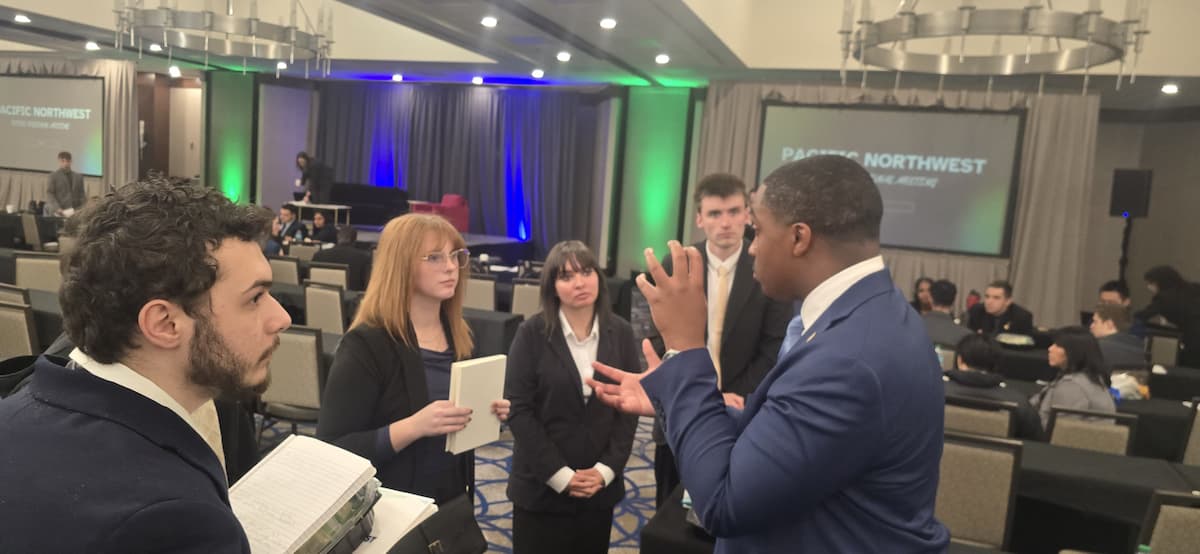
Career growth is rarely achieved alone. While formal training programs, managers, and professional development initiatives all contribute to success, many professionals find that some of their most valuable lessons come from the people they work alongside every day.
Peer mentorship creates opportunities for colleagues to exchange knowledge, encourage one another, and navigate workplace challenges together. The value of peer mentorship extends far beyond answering questions or providing occasional advice. It creates an environment where learning becomes a shared experience, confidence grows through mutual encouragement, and workplace relationships become stronger.
As colleagues support each other’s development, they often uncover new perspectives that improve both individual performance and team success.
Understanding the Multiplier Effect of Peer Mentorship
Peer mentorship is based on the idea that colleagues can actively contribute to each other’s professional development through regular interaction, shared experiences, and honest communication. Unlike traditional mentoring relationships, peer mentors often face similar challenges, making their advice practical and immediately relevant.
The multiplier effect occurs because learning spreads naturally throughout a workplace. When one employee discovers a more effective way to solve a problem or develops a stronger approach to communication, those insights can quickly benefit others. Instead of knowledge remaining with one individual, it becomes part of the team’s collective experience.
This collaborative dynamic also strengthens trust. Employees become more comfortable asking questions, sharing ideas, and seeking feedback because conversations feel less intimidating among peers. As confidence increases, people become more willing to contribute during meetings, volunteer for new responsibilities, and participate in collaborative projects.
Organizations also benefit because mentorship encourages employees to support one another instead of working in isolation. Shared success often creates stronger teams than individual achievement alone.
How Mentorship Accelerates Professional Development
Career growth depends on more than experience alone. Meaningful development happens when individuals consistently reflect on their work, exchange ideas, and learn from different perspectives. Peer mentorship creates these opportunities naturally during everyday interactions.
Some of the ways mentorship accelerates development include:
- Providing immediate feedback that helps employees improve while tasks and experiences are still fresh.
- Encouraging problem-solving discussions where colleagues work through challenges together.
- Sharing practical knowledge gained from daily responsibilities and real workplace situations.
- Building confidence by offering encouragement during unfamiliar assignments or new responsibilities.
- Introducing different viewpoints that broaden understanding and improve decision-making.
These everyday conversations create valuable learning moments that may never appear in formal training sessions. Employees gain practical insights they can immediately apply, making professional development more consistent and relevant.
Peer mentorship also supports skill building by allowing colleagues to observe different approaches, exchange constructive feedback, and practice new techniques in a supportive environment. Instead of learning through trial and error alone, individuals benefit from the experience and perspectives of those working beside them.
Building Stronger Workplace Relationships Through Shared Growth
Professional relationships become stronger when people invest in one another’s success. Peer mentorship creates opportunities to move beyond routine workplace interactions and build genuine professional trust.
When colleagues regularly exchange ideas, celebrate achievements, and help solve challenges, collaboration becomes more natural. Employees feel comfortable asking for guidance because they know support is available without fear of judgment. This openness encourages greater participation and stronger communication across teams.
A supportive peer network also reduces feelings of isolation that sometimes accompany career growth. New responsibilities, unfamiliar projects, and changing expectations become less overwhelming when trusted colleagues are willing to offer encouragement and practical advice.
Some qualities that strengthen peer mentoring relationships include:
- Active listening that allows both individuals to fully understand each other’s experiences.
- Mutual respect for different backgrounds, perspectives, and working styles.
- Honest communication that focuses on constructive feedback rather than criticism.
- Reliability by consistently following through on commitments and offering support.
- Curiosity that encourages meaningful questions and continuous improvement.
These qualities help create relationships that remain valuable throughout different stages of a person’s career. Trust grows strongest when support is consistent rather than occasional.
Learning Through Different Perspectives
One of the greatest advantages of mentorship is exposure to different ways of thinking. Every employee approaches challenges differently based on their experiences, strengths, and problem-solving methods. These differences become valuable learning opportunities when colleagues openly exchange ideas.
A peer may introduce a more efficient workflow, offer a creative solution to a recurring issue, or explain a concept from an entirely new perspective. Even small conversations can reshape how someone approaches future responsibilities.
This exchange of ideas also encourages continuous learning in the workplace because employees become more willing to seek knowledge from those around them instead of relying solely on formal instruction. Learning becomes an ongoing process woven into daily collaboration rather than something reserved for scheduled training sessions.
Exposure to diverse viewpoints also improves adaptability. Employees become more comfortable adjusting their approaches when circumstances change because they have already experienced multiple ways of solving problems. This flexibility becomes increasingly valuable as careers progress and responsibilities expand.
Accountability Encourages Consistent Growth
Growth becomes more sustainable when someone else is invested in your progress. Peer mentors naturally encourage accountability by checking in on goals, discussing progress, and offering encouragement during setbacks.
Unlike formal evaluations, these conversations often feel more relaxed and supportive. Colleagues celebrate milestones together while also providing honest feedback when improvement is needed. This balance helps individuals stay motivated without feeling pressured.
Peer accountability can encourage professionals to:
- Follow through on development goals instead of postponing them.
- Practice new skills with greater consistency.
- Reflect on successes and challenges after completing important projects.
- Seek constructive feedback before small issues become larger obstacles.
- Maintain motivation during demanding periods at work.
These regular conversations create momentum that keeps development moving forward. Progress becomes easier to maintain because employees know someone is encouraging them along the way.
Creating Confidence Through Mutual Support
Confidence often develops through experience, but encouragement plays an equally important role. Mentorship program creates a safe environment where employees can ask questions, test new ideas, and learn from mistakes without unnecessary fear.
When colleagues openly discuss both successes and challenges, they normalize learning instead of expecting perfection. This creates psychological safety, allowing individuals to focus on improvement rather than worrying about appearing inexperienced.
Supportive peers also recognize strengths that individuals sometimes overlook in themselves. A simple observation about someone’s communication, leadership, or problem-solving abilities can reinforce confidence and encourage them to pursue greater responsibilities.
As confidence grows, employees often become more willing to contribute during discussions, volunteer for projects, and accept leadership opportunities. These experiences create additional learning opportunities, further strengthening career development. Confidence grows fastest when people feel supported while taking on new challenges.
Why Peer Mentorship Benefits Entire Teams
Although mentorship focuses on individual relationships, its impact extends throughout an entire organization. As employees become more collaborative, knowledge flows more freely between departments, teams, and projects.
Workplaces that encourage peer mentorship often experience stronger cooperation because employees understand that helping others also strengthens the team’s overall performance. Instead of competing for recognition, colleagues become invested in each other’s progress.
Several team-wide benefits commonly emerge:
- Improved collaboration through open communication and shared knowledge.
- Faster problem-solving as employees combine different perspectives.
- Greater consistency because best practices spread naturally across teams.
- Higher engagement when employees feel connected to their colleagues.
- A stronger learning culture where asking questions is encouraged rather than avoided.
These benefits create an environment where growth becomes part of everyday work rather than an occasional initiative. Teams become more resilient because knowledge is shared across many individuals instead of remaining with only a few people.
Making Peer Mentorship Part of Everyday Work
Successful mentorship does not require formal programs or complicated structures. Many meaningful mentoring relationships develop naturally through regular conversations, collaborative projects, and a willingness to help one another succeed.
Employees can strengthen mentorship by intentionally creating opportunities to connect. Sharing lessons after completing projects, discussing workplace challenges, or simply checking in with colleagues can lead to valuable learning experiences. Small acts of support often develop into long-term professional relationships built on trust and mutual respect.
Organizations can encourage these interactions by creating spaces where collaboration is welcomed, and knowledge sharing becomes part of daily routines. Employees who feel comfortable exchanging ideas are more likely to contribute, learn, and grow together.
Final Thoughts
Peer mentorship reminds us that career advancement is not simply about individual achievement. It is also about building relationships that encourage learning, accountability, confidence, and shared success. When colleagues invest in one another’s growth, the benefits extend well beyond individual careers. The result is a workplace where people continue learning, supporting one another, and creating opportunities that multiply success for everyone involved.
Fine Line Marketing is a direct sales agency founded in Eugene, Oregon, and is now expanding into Washington State. They specialize in personalized marketing solutions and strategic outreach designed to help both businesses and individuals thrive. Their services include strong client partnerships, hands-on mentorship, and training programs to build confident leaders.
If you’re looking for a workplace where mentorship and growth go hand in hand, apply to Fine Line Marketing today and begin building your future.